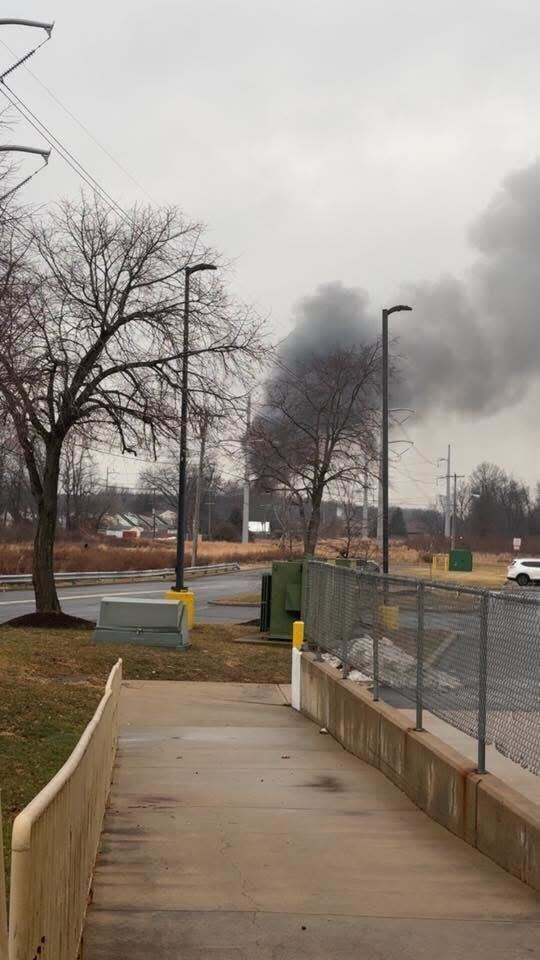
In the first minutes after a major emergency call like the one dispatched to Silver Lake Nursing Home at 905 Tower Road in Bristol Township, Bucks County, the fire inspector (often working alongside the fire marshal and fire investigators) is among the first officials to begin documenting what happened, preserving initial observations, and determining the likely origin and cause of the incident. That early work can become a critical piece of the record for residents, families, and anyone ultimately seeking answers.
First and foremost, we offer our heartfelt condolences to the families and loved ones affected by this tragedy. When an emergency occurs in a nursing home setting, the harm is not just physical. It can be deeply emotional and lasting, especially for vulnerable residents who may already be facing serious medical challenges.
A “working fire” at a nursing home raises urgent safety questions
The dispatch information indicates a “Nursing Home Fire” and “Working Fire,” which typically signals an active, serious fire condition requiring multiple responding units. In the aftermath, there are several questions investigators focus on immediately, including:
- Where did the fire start, and what ignition source was involved?
- Was there an equipment failure or a hazardous condition that caused or worsened the incident?
- Were smoke alarms, sprinklers, and fire doors functioning properly?
- Did staff respond quickly and follow evacuation and emergency protocols?
- Were residents adequately supervised and assisted, especially those with limited mobility?
If there are reports or concerns about a possible explosion, that will be part of the investigation as well. Investigators may examine mechanical rooms, oxygen storage practices, kitchen systems, electrical components, and any other potential sources of rapid ignition or pressure-related events.
From a personal injury attorney’s perspective: accountability matters
From the perspective of a personal injury attorney, incidents like this are not viewed as “just accidents” until the facts confirm that. Nursing homes and long-term care facilities have a duty to protect residents from preventable harm. When there are injuries, hospitalizations, or loss of life, families deserve clear answers about whether:
- Safety standards were met
- Known hazards were ignored
- Maintenance was deferred
- Understaffing or training gaps contributed to delays or confusion
- Emergency systems failed when residents needed them most
Depending on what the investigation reveals, potential claims may involve negligence, wrongful death, premises liability, or even product-related issues if equipment malfunction played a role.
What families can do right now
While official investigations proceed, families often feel stuck in the dark. A few practical steps can help protect both your loved one’s wellbeing and your ability to learn the truth later:
- Confirm your loved one’s location and medical status and request discharge papers or transfer documentation if they were moved.
- Request incident details in writing from the facility (even if they can only provide limited information early on).
- Document everything you are told, including dates, times, names, and any visible injuries or symptoms.
- Preserve photos and records related to smoke exposure, burns, falls during evacuation, or changes in health after the event.
- Do not assume the initial explanation is complete. Early statements can change as evidence is gathered.
We are here to help
At Kats, Jamison and Associates, we understand how quickly a family’s world can change after a nursing home fire or suspected explosion. Our role is to help families pursue answers, evaluate whether the harm was preventable, and, when appropriate, seek compensation for medical costs, pain and suffering, long-term care changes, and wrongful death losses.
If your family has been impacted by the incident at Silver Lake Nursing Home in Bristol Township, we can discuss what happened and explain your options in plain language.
All the images were shared by Philly Fire News.